

What are fetal tumors?
Fetal tumors are Masses that develop in the baby during gestation. Although the word "tumor" may be frightening, most of these cases are not malignant.. In other words, they are tumors. benign, which do not have the potential to spread to other parts of the body and, with proper monitoring, can have a good outcome.
Even so, it is crucial to observe the behavior of these masses., because some tumors can grow rapidly or cause complications. which require specialized medical attention.
Where do these tumors usually appear?
Fetal tumors can form in different areas of the baby's body. The most common locations include:
- Base of the spine (sacral region)
- Neck
- Chest or lungs
- Heart
Each location can present specific challenges, and the impact on the baby's development varies depending on the type and size of the mass.
How are these tumors identified?
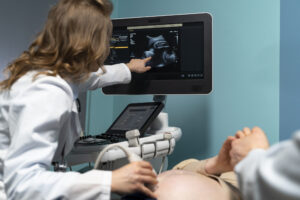
Detection usually occurs during routine ultrasound examinations. Ultrasound allows for:
- Check the presence of an abnormal mass
- To assess its exact location and size
- Observe if the tumor is affecting the blood flow or causing some impact on baby's growth and well-being
In some cases, additional tests may be requested to better understand the situation.
What are the potential risks?
Not all tumors cause complications, but some can grow quickly and affect the baby's heart function. When this happens, a condition called [condition name] may develop. fetal hydrops, A condition characterized by fluid accumulation in different parts of the body, it is a serious situation that requires immediate intervention.
The prognosis: what to expect?
The outcome will depend on several factors:
- Specific type of tumor
- Size and location
- Presence or absence of associated complications.
Many cases, thankfully, have excellent progress. With proper monitoring and, when necessary, surgery after birth, If this happens, the baby can develop normally.
How is the case being handled?
The approach will always be individualized, according to the clinical picture. Treatment options may include:
- Frequent ultrasound monitoring
- Additional tests, such as fetal MRI.
- Corrective surgery after birth
- Intrauterine surgery, in rarer and more specific situations
The most important thing is to have one. specialized team, who knows how to carefully evaluate and plan each step.
The value of planning
Early detection of a condition like this is crucial. When we identify a fetal tumor during pregnancy, we can:
- Planning the birth in a hospital with adequate facilities.
- Assemble a multidisciplinary team to welcome the baby.
- Avoiding surprises and ensuring greater safety for both mother and newborn.
Information that welcomes
Not every fetal tumor is a death sentence. With proper monitoring, it's possible to face this challenge with more clarity, responsibility, and hope.
If you or someone close to you is going through this moment, know that... Quality information is one of the most powerful forms of care.. We are here to guide, support, and build the best path together.