

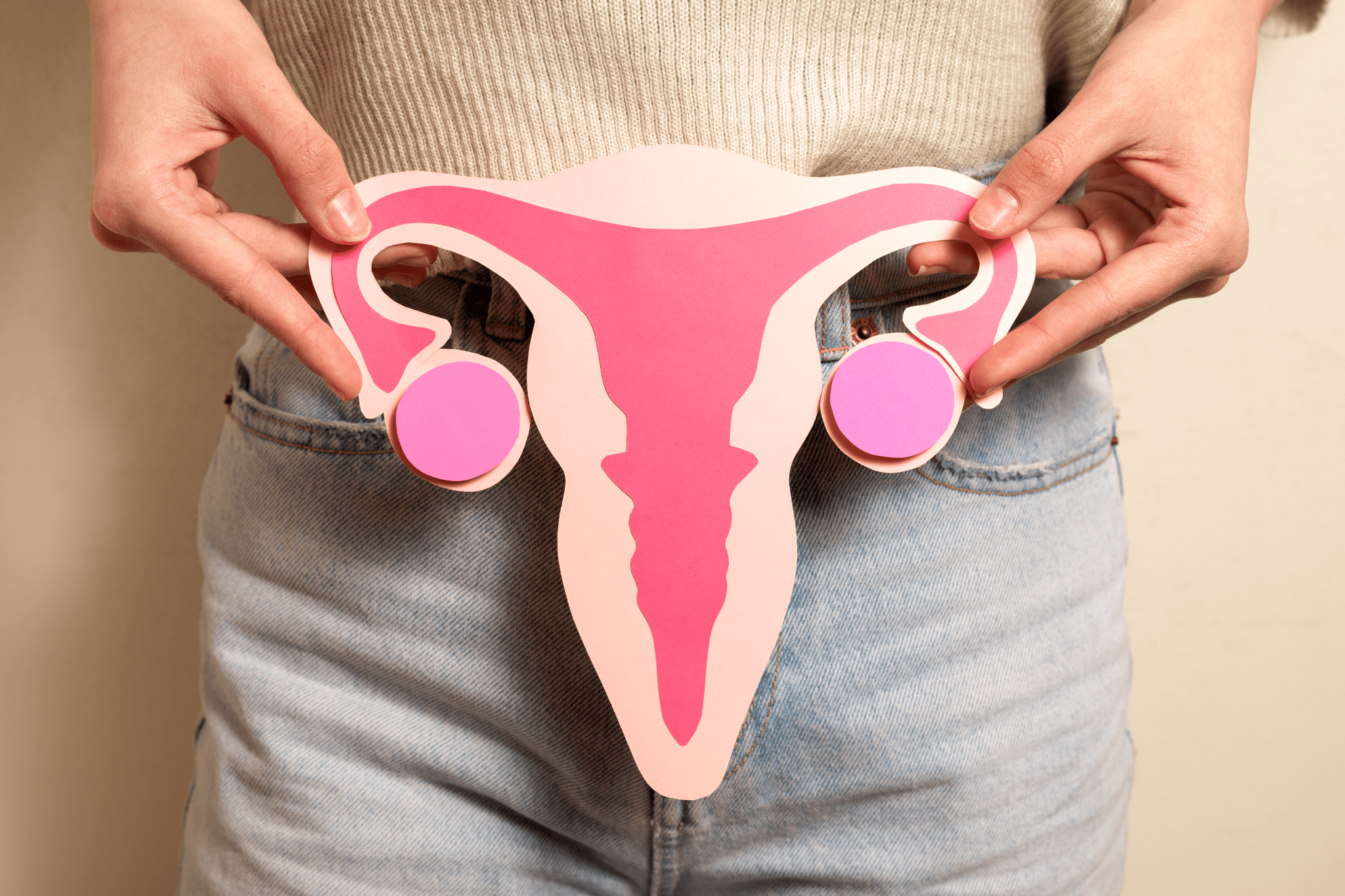
What is ovarian reserve?
Ovarian reserve is an estimate of the number of eggs still present in a woman's ovaries. Unlike other cells in the body, eggs are not produced continuously throughout life. Women are born with a fixed number of eggs, which are formed during intrauterine life, and the number of these eggs decreases over the years.
Why is this important? When ovarian reserve is depleted, the chances of natural pregnancy also decrease. Therefore, knowing your ovarian reserve is a way to align your life plans with your reproductive possibilities.
How does age affect ovarian reserve?
One of the main factors affecting ovarian reserve is age. As we age, the number of eggs in our ovaries naturally decreases. Women of young reproductive age generally have a higher ovarian reserve. From the age of 35, this reserve begins to decline more rapidly, which can impact the chances of a successful pregnancy, especially in assisted reproductive treatments.
Besides age, other factors can impact ovarian reserve, such as ovarian surgeries, chemotherapy, radiation therapy in the pelvic region, and certain medical conditions. Therefore, it's important to talk to your gynecologist or reproductive specialist to understand your ovarian reserve and what it means for you.
How to assess ovarian reserve?
There are two main ways to assess ovarian reserve:
- Transvaginal ultrasound: Ideally performed in the first few days of the menstrual cycle, this examination allows visualization of the ovaries and counting of the antral follicles present. The greater the number of antral follicles, the greater the ovarian reserve.
- Anti-Müllerian hormone (AMH) dosage: This hormone is produced by the follicles in the ovaries. The higher the AMH level in the blood, the greater the ovarian reserve. This test can be performed at any stage of the menstrual cycle and is a valuable tool for understanding reproductive health.
Why is assessing ovarian reserve important?
Assessing ovarian reserve is crucial for reproductive planning for several reasons:
For those trying to conceive naturally: Although a low ovarian reserve does not necessarily impact the chances of getting pregnant spontaneously, it may indicate a more limited window for conceiving naturally.
For those who need assisted reproductive treatment: Ovarian reserve can influence the choice of treatment and medication dosage, as well as help predict the chances of success. A smaller reserve may mean fewer eggs available for fertilization, which can reduce the success rate of treatments.
For those who wish to postpone motherhood: Assessing ovarian reserve can help determine whether it's wise to wait or better to consider egg freezing. Freezing eggs while the reserve is still good can be a smart strategy for those who want to have children in the future but aren't ready now.
What to do if ovarian reserve is low?
Discovering that your ovarian reserve is low can be worrying, but it doesn't necessarily mean you won't be able to get pregnant. For spontaneous pregnancy, ovarian reserve doesn't have a direct relationship with the chances of conception. However, for those planning assisted reproductive treatments, a lower reserve may mean less response to medications and, therefore, fewer eggs available for fertilization.
The important thing is to maintain open communication with your gynecologist or reproductive specialist to understand your options and plan the best path for your reproductive needs and desires.
Knowing your ovarian reserve is a fundamental part of reproductive planning. Whether you're thinking about getting pregnant now or want to postpone motherhood for the future, this information can help you make more informed and personalized decisions.
Don't hesitate to talk to your doctor discuss this topic to get an accurate assessment and understand what is best for you.