
First trimester: the foundations of life
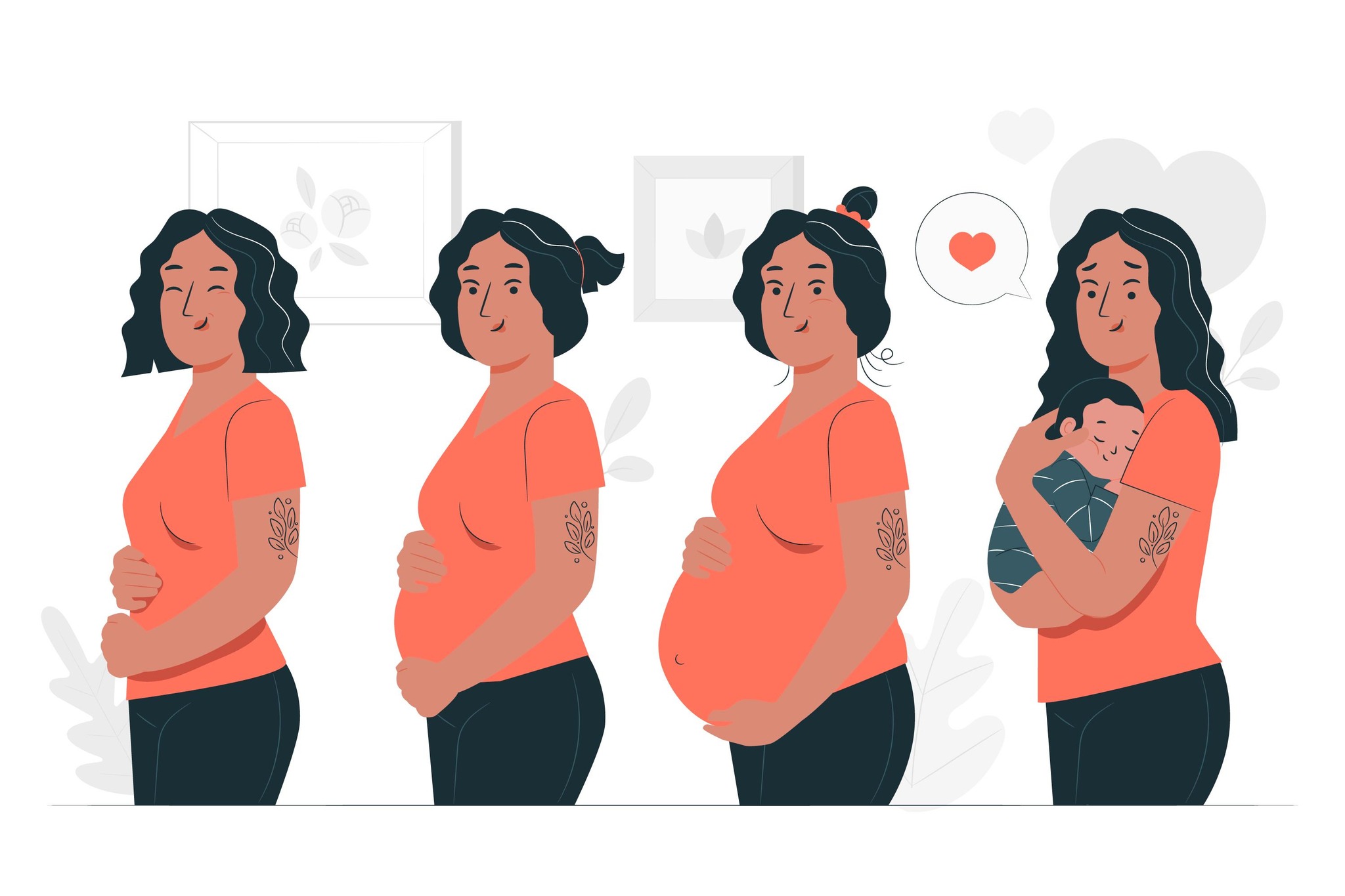
The first trimester comprises the first 12 weeks of pregnancy and is a critical period for the baby's development. It all begins with fertilization and the formation of the zygote, which soon becomes an embryo.
Weeks 1-4: Implementation and first steps
- The embryo attaches to the wall of the uterus, forming the gestational sac.
- The umbilical cord begins to develop, connecting the baby to the mother.
Recommended tests:
Beta hCG (blood): Confirms the pregnancy and monitors its progress.
Transvaginal Ultrasound: Identify the gestational sac and verify proper implantation.
Weeks 5-8: Heartbeat and organs forming.
- The heart begins to beat and the main organs, such as the brain, liver, and kidneys, begin to develop.
- The buds for the arms and legs form.
Recommended tests:
Obstetric Ultrasound: It confirms the fetal heartbeat and verifies the gestational age.
Maternal blood tests: It assesses infectious diseases and blood type.
Weeks 9-12: the fetus takes shape.
- The baby is now called a fetus. The major organs are in their initial stages of functioning.
- The first movements begin (still imperceptible to the mother).
Recommended tests:
First Trimester Morphological Ultrasound: It assesses anatomical formation and screens for genetic syndromes, such as Down syndrome.
NIPT (Genetic Testing): Detects chromosomal abnormalities with high precision.
Second quarter: growth and movements
The second trimester runs from the 13th to the 26th week and is marked by accelerated growth and the beginning of noticeable movements.
Weeks 13-16: First movements and discoveries
- The baby begins to move in a more coordinated way.
- Fingers, nails, and eyebrows are formed.
- It is possible to determine the baby's sex via ultrasound.
Recommended tests:
Second Trimester Morphological Ultrasound: It thoroughly assesses fetal anatomy.
Fetal Echocardiography: It checks the structure and function of the baby's heart.
Weeks 17-20: Feeling the baby move
- The nervous and muscular systems develop rapidly.
- You can feel the first movements (known as "kicks" or "butterflies").
Recommended tests:
3D/4D ultrasound (optional): It allows for a more realistic view of the baby.
Fetal Doppler: Assesses blood flow in the placenta and umbilical cord.
Weeks 21-24: responses and sounds
- The baby responds to sound stimuli and develops sleep patterns.
- The lungs begin to prepare for breathing.
Recommended tests:
Fetal Biophysical Profile: It assesses movement, muscle tone, and the amount of amniotic fluid.
Third quarter: preparing for the big day
The third trimester, from the 27th to the 40th week, is when the baby grows rapidly and prepares to be born.
Weeks 25-28: the first sleep cycles
- The baby opens and closes its eyes and has occasional hiccups.
- The lungs continue to develop.
Recommended tests:
Growth Ultrasound: Monitors weight, growth, and position.
Cardiotocography (CTG): Assesses fetal heart rate and well-being.
Weeks 29-32: weight gain and positioning for childbirth
- The immune system is getting stronger.
- The baby gets into position (usually head down).
Weeks 33-36: ready to breathe
- The lungs are ready to function outside the womb.
- The baby gains fat to regulate its temperature after birth.
Weeks 37-40: time of birth
- The baby is fully developed and ready to come into the world.
Recommended tests:
Ultrasound with Doppler: Ensures good oxygenation.
Final Fetal Biophysical Profile: Monitors movements and amniotic fluid.
The journey of fetal development is full of incredible transformations and discoveries. As a specialist in Fetal Medicine, my commitment is to provide support, understanding, and reassurance to each family during this very special phase. If you have any questions or would like to schedule an evaluation, I am available to help.